
Dialing Phone Codes Inside New York
Ten digits is the working rule across the state. Every call inside your own region takes the area code plus the seven-digit number, and a call to another region takes 1 in front of those ten digits. Downstate has dialed that way for decades because of overlays. The last seven-digit holdouts changed in October 2021, when the national crisis line needed the 988 combination freed up. The short phone codes are the exception to all of it, since three-digit service numbers still connect as three digits.
Every kind of call you can place from a New York line comes down to one of these patterns.
| Call Type | Phone Code Format | Example |
|---|---|---|
| Local inside your own region | 10 digits, area code first | 716-555-0100 |
| To another New York region | 1 plus 10 digits | 1-518-555-0100 |
| Long distance elsewhere in the country | 1 plus 10 digits | 1-312-555-0100 |
| Toll-free | 1 plus a toll-free code plus 7 digits | 1-800-555-0100 |
| International from a landline | 011 plus country code plus number | 011-44-20-... |
| Service codes | 3 digits, nothing added | 311 |
Note: an old seven-digit number written on a sign or a business card is still valid, you just have to put the right area code in front of it.
N11 Service Phone Codes in New York
The N11 codes are the shortcuts, nine three-digit phone codes reserved nationally for specific services. What they reach changes a little from state to state, and New York has one split that trips people up constantly: 211 covers most of the state, but inside New York City the same job belongs to 311.
| N11 Phone Code | What It Reaches in New York |
|---|---|
| 211 | Regional community service providers outside New York City, running 24 hours a day, all year |
| 311 | New York City services, 24 hours a day, or 212-639-9675 from outside the city |
| 411 | Directory assistance, provided by your carrier and usually billed per call |
| 511 | The statewide travel information service for traffic, transit, and road conditions |
| 611 | Your own carrier's repair and customer service desk |
| 711 | Telecommunications relay, the statewide access point for deaf, hard of hearing, and speech-disabled callers |
| 811 | Call before you dig, routed to one of the state's two one-call centers |
| 911 | Police, fire, and medical emergencies |
| 988 | Suicide and Crisis Lifeline, by call, text, or chat |
The 211 network is worth understanding before you need it, and the national 211 service explains the model that New York's regional providers follow.
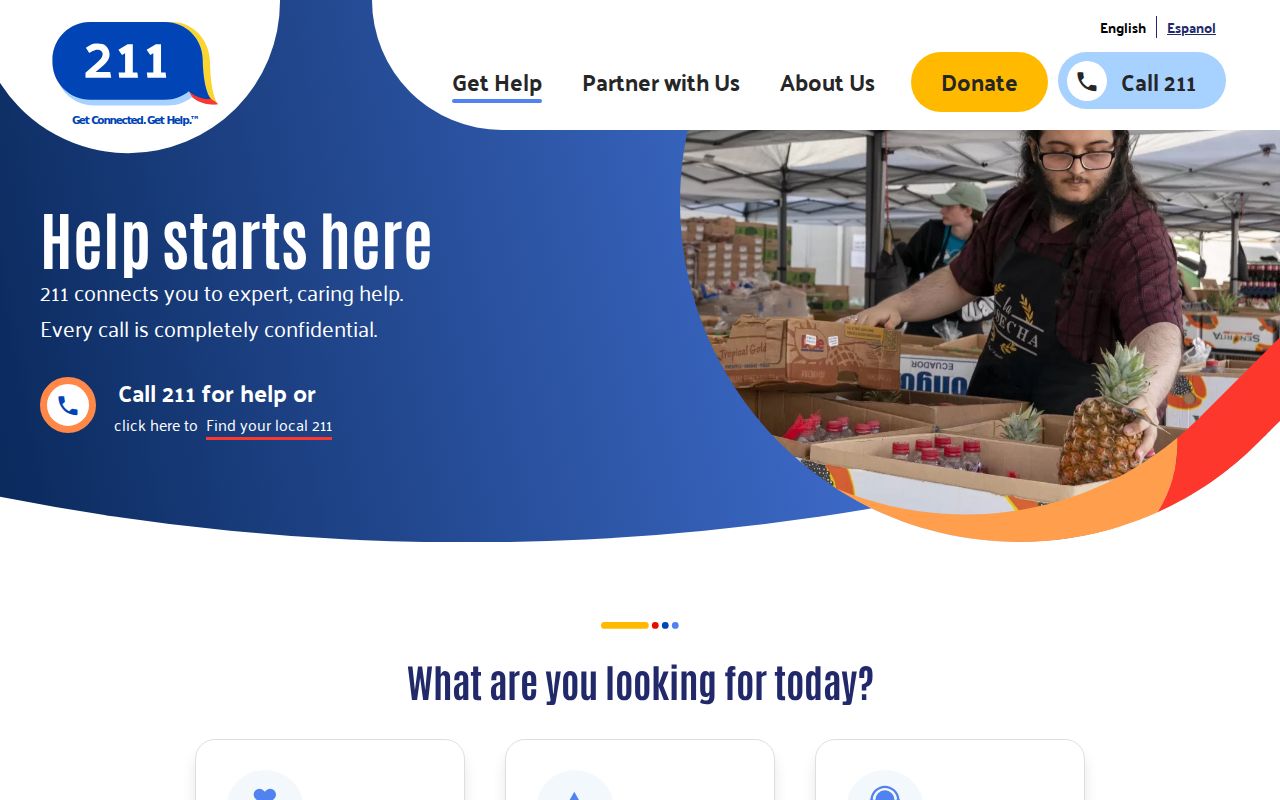
Each New York region has its own provider behind the same three digits, so the counties you are calling from decide who picks up.
There is a New York City quirk on 988 as well. Calls from the city codes reach the local crisis center, and callers from other area codes can ask to be transferred there if that is where they want to be routed.
The 811 and 511 Phone Codes in New York
Two of the N11 phone codes work differently here than most people assume, so they are worth pulling out. 811 is not a utility outage line. It is the free notification you make before any digging, so the utilities can come out and mark their lines first. New York is one of the states that runs two separate one-call centers instead of one.
Downstate, the request goes through New York 811, which covers New York City and Long Island.
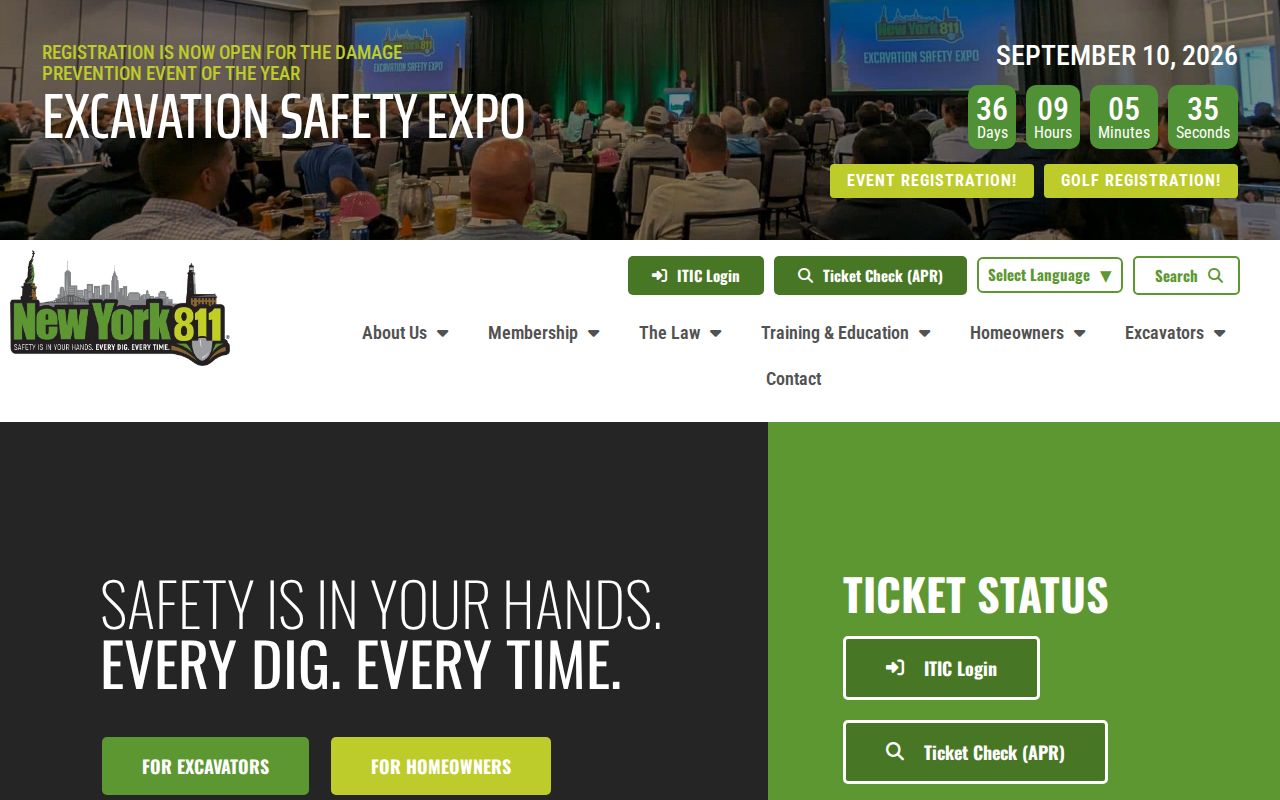
You can dial the code or file the ticket online, and either way the request goes to the utilities serving that address.
For the rest of the state, the same three digits route to UDig NY.
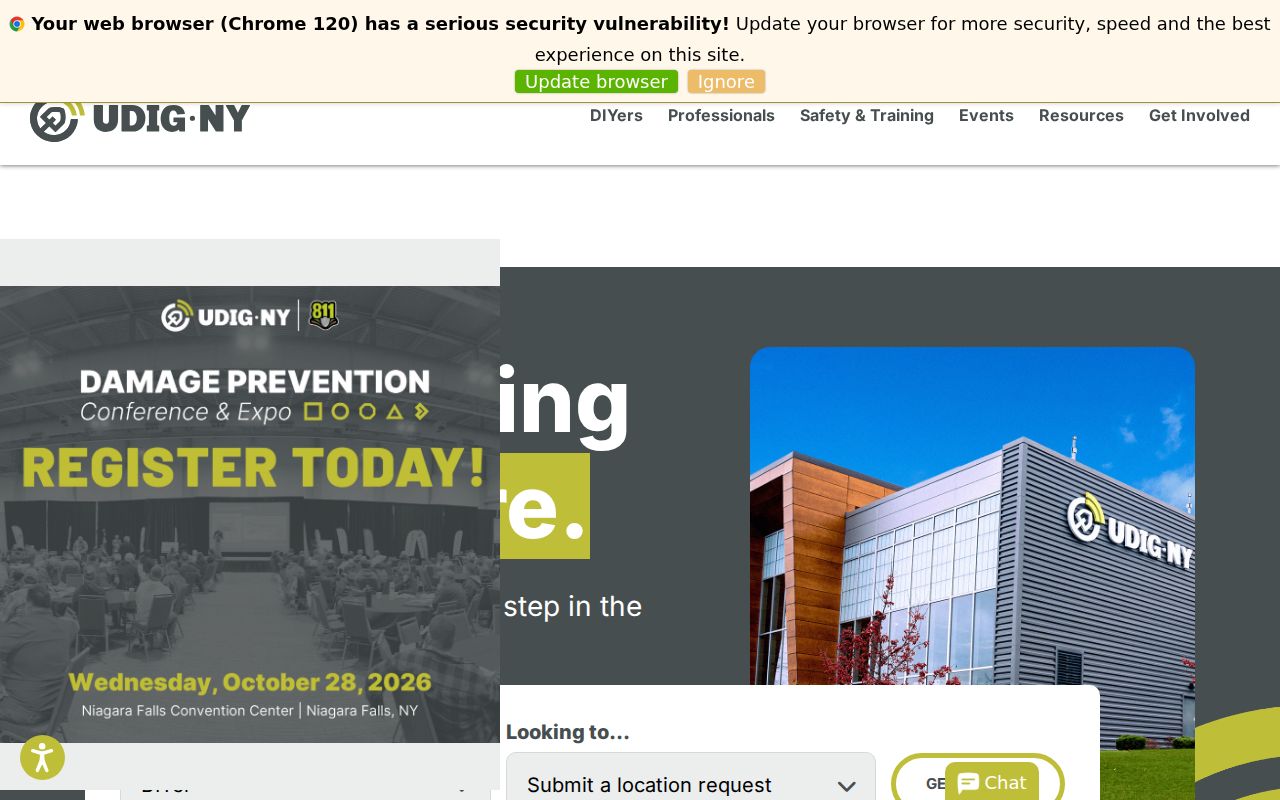
Homeowners planting a tree need the same ticket a contractor does, and the service is free either way.
The 511 phone code is the travel side. It reaches the state travel information service by phone, and the same information sits on the 511NY website.
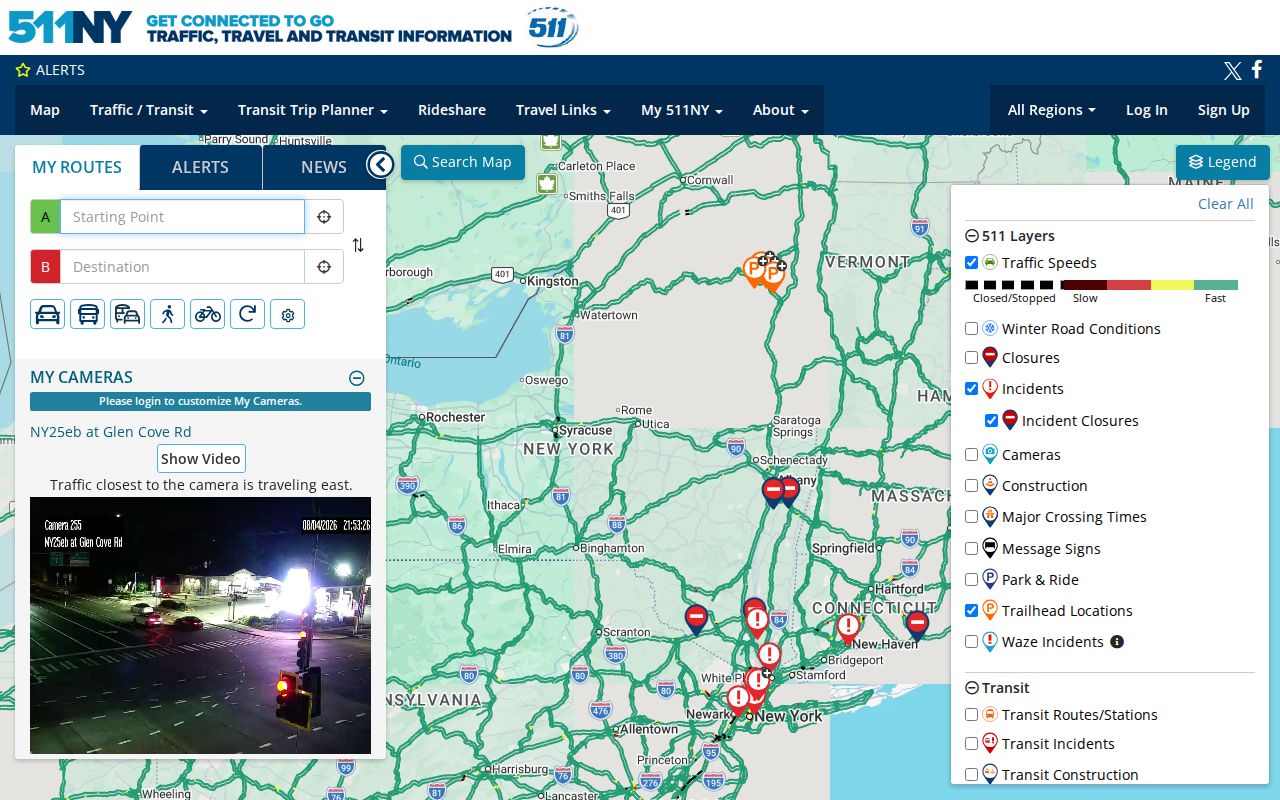
Traffic conditions, incidents, winter road reports, cameras, transit links, and trip planning all live behind those three digits.
Star Phone Codes on New York Lines
Star codes, known in the industry as vertical service codes, switch features on and off. You dial the code, hear a tone or a message, and the line behaves differently for the next call or until you cancel it. Support depends entirely on your carrier and on whether the line is a traditional landline, a wireless phone, or a voice over internet service. Landlines support the longest list.
| Star Phone Code | Action |
|---|---|
| *57 | Call trace after a threatening call, with the record going to law enforcement rather than to you |
| *60 | Turn on selective call rejection for specific numbers |
| *67 | Hide your caller ID for the next call only |
| *69 | Return the last incoming call |
| *70 | Switch off call waiting for the next call |
| *72 | Turn on call forwarding, then dial the number to forward to |
| *73 | Cancel call forwarding |
| *77 | Reject anonymous and private callers |
| *82 | Show your caller ID for the next call when a permanent block is set |
| *87 | Turn anonymous call rejection back off |
| *90 and *91 | Turn busy-line call forwarding on and off |
| *92 and *93 | Turn no-answer call forwarding on and off |
Call trace is the one to remember in a bad situation. Dialing it right after a threatening call records the originating number with the carrier so police can request it, and it does not display the number to you.
Area Phone Codes Serving New York
Area codes are phone codes too, the three digits that tell the network which region a number belongs to. New York has more than twenty in service, grouped into regional families rather than scattered across the map. They matter here mainly because they are the digits you have to dial on every local call.
- New York City - 212, 646, 332, and 917 on Manhattan; 718, 347, 929, 465, and 917 in the other boroughs
- Long Island - 516 and 363 in Nassau, 631 and 934 in Suffolk
- Hudson Valley - 914 in Westchester, 845 and 329 across the mid-Hudson counties
- Capital Region and North Country - 518 and 838
- Central New York - 315 and 680
- Western New York - 716 and 624 near Buffalo, 585 near Rochester
- Southern Tier - 607
Coverage by county, the split and overlay history behind each code, and the two newest additions are all on the New York area codes page.
Toll-Free and Premium Phone Codes
Toll-free phone codes flip the billing, so the business you are calling pays for the call instead of you. They look like area codes and behave like them when you dial, but they cover no geography at all. Each one was added as the previous code ran out of numbers, which is why an older organization tends to have an 800 number and a newer one has an 833.
| Toll-Free Phone Code | Rolled Out |
|---|---|
| 800 | The original toll-free code |
| 888 | Added as 800 filled up |
| 877 | Next expansion |
| 866 | Next expansion |
| 855 | Next expansion |
| 844 | Next expansion |
| 833 | Most recent expansion |
Toll-free numbers are portable between the organizations that manage them, and the registry that runs the toll-free system also publishes tools for finding a number or a service provider. Two older code families run the other direction. Calls to 900 and to legacy 976 numbers are premium-rate, meaning the charge lands on your bill, and most carriers will block them on request.
Country Code +1 and International Phone Codes
New York sits inside the North American Numbering Plan, and the whole plan shares one country phone code: +1. You almost never dial it inside the country, since the leading 1 on a long distance call does the same job. It matters when someone abroad is calling you, or when your own number is written in international format for a form or a contact list.
- From a New York landline calling another country, dial 011, then the country code, then the local number.
- From a mobile phone, press and hold the zero key to get a plus sign, then dial the country code and the number.
- From abroad calling New York, dial that country's exit code, then 1, then the ten-digit number.
The same number can be written several ways without changing anything about it. (212) 555-0100, 212-555-0100, 212.555.0100, and +1 212 555 0100 all describe one line.
Local Exchange Phone Codes in New York
The middle three digits are the exchange phone code, called the NXX or central office code. They are handed out to carriers in blocks and tied to a rate center, which is the billing area the block belongs to. In the days of physical switching, the exchange stood for an actual central office building, and in New York City it stood for a name. That is where PEnnsylvania 6-5000 came from, since the first two letters of the exchange name were the first two digits you dialed.
Those prefixes are worth far less as identification than people assume. Number portability lets a line keep its area code and its exchange after switching carriers, so the exchange tells you the original assignment rather than the current owner. The free assignment records published by the numbering administrator still show useful context, including the carrier that first received a block and the rate center it belongs to, and the deeper routing detail sits behind a licensed industry data feed.
Spam Labels and Caller ID Phone Codes
The words on your screen when an unknown number calls are not a phone code, but they come from the same numbering system. Caller ID authentication works by having each provider digitally sign a call as it hands it off, so the network can tell whether the calling number was used legitimately. Failed or missing signatures are one of the signals that produce a spam warning. What the label does not do is prove that an authenticated call is safe, since a real number can still belong to a scammer.
Carriers apply their own labels on top of that. T-Mobile bundles its screening into Scam Shield, which blocks and marks suspected calls on its own network.
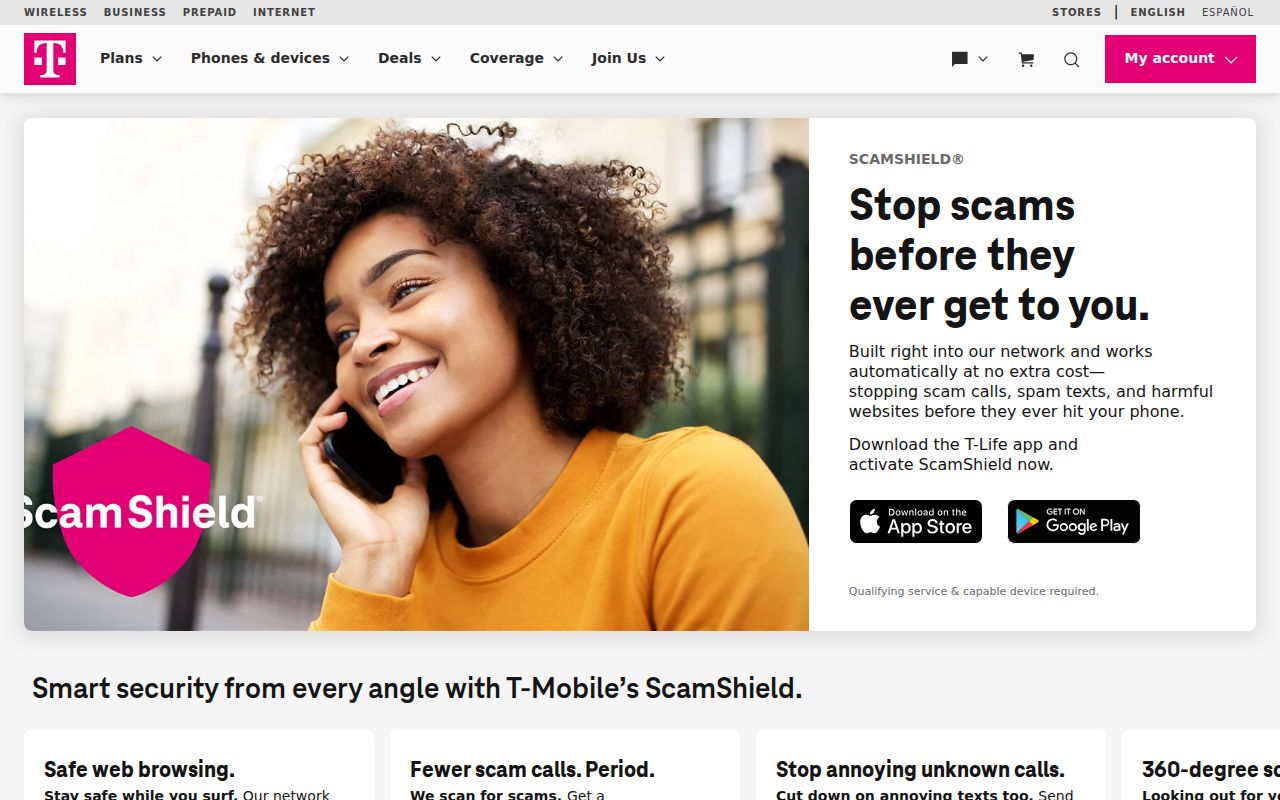
Tools like this only cover the line you have with that carrier, so switching providers means starting over.
Verizon takes the same approach with Call Filter, and AT&T runs its own version.
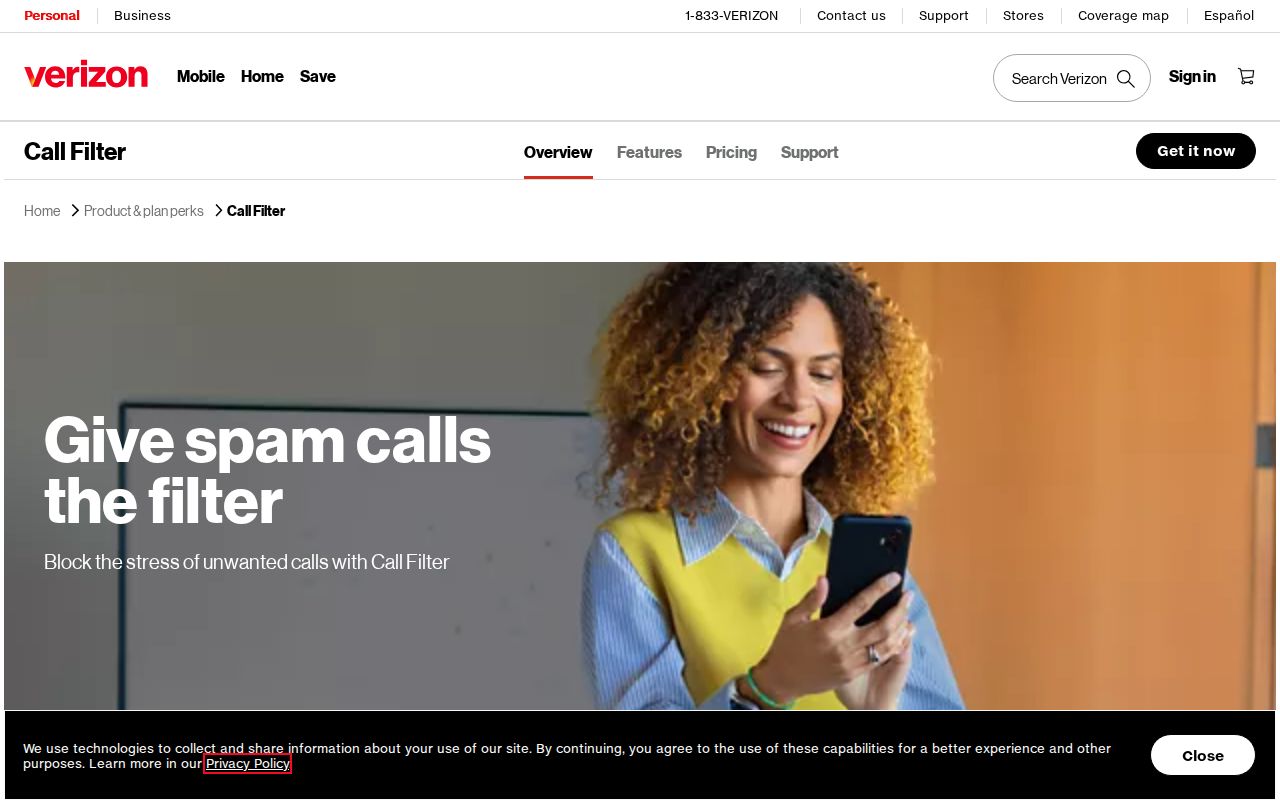
Between the network signature and the carrier label, most obvious robocalls get flagged before your phone rings twice.
Independent reputation directories fill the last gap. The YouMail directory collects reports on numbers that have already bothered a lot of people.
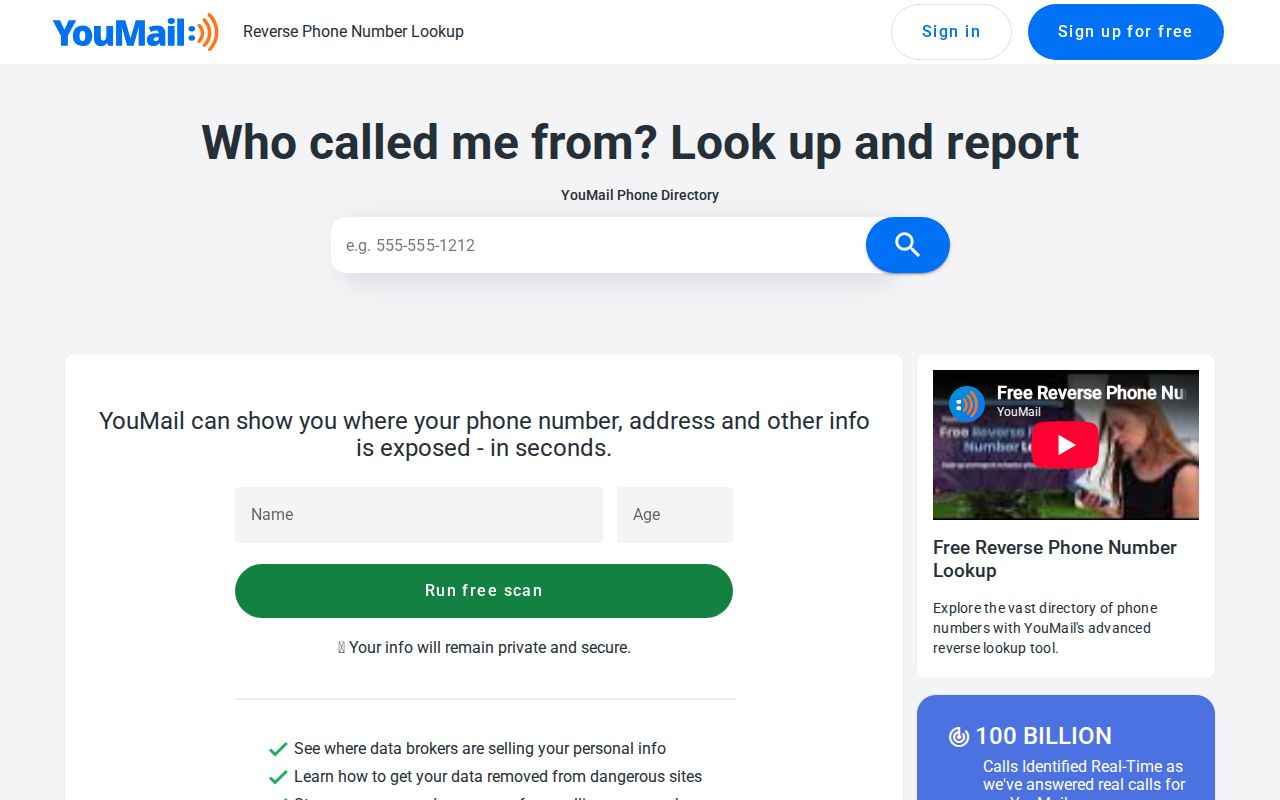
That is a third-party service rather than an official one, and it answers how often a number was reported, not who owns it.
Phone Code Definitions
Five terms cover almost everything on this page.
- NPA
- Numbering Plan Area, the three-digit area code at the front of a number.
- NXX
- Central office code, the three digits after the area code.
- N11
- The nine reserved three-digit service phone codes, from 211 through 988.
- Vertical service code
- A star plus two digits that turns a calling feature on or off.
- Toll-free prefix
- A code that shifts the cost of the call to the party being called.
- NANP
- North American Numbering Plan, the +1 region covering New York, the rest of the country, Canada, and other territories.
How to Check a New York Phone Code
Two official sources settle questions about any phone code you run into. The numbering administrator publishes the maps, the reports, and the free prefix assignment records, and it is the authority on which codes exist and which require ten digits. The federal regulator explains what the service codes do, how relay works, and what caller ID authentication means for the labels on your screen. Between the two, you can confirm a code without trusting a search result.
To use a phone code for an actual lookup rather than a definition, the New York phone numbers page walks through the directories office by office.